The market read this as a supply story. It is a title story, and title stories carry a different kind of risk entirely.
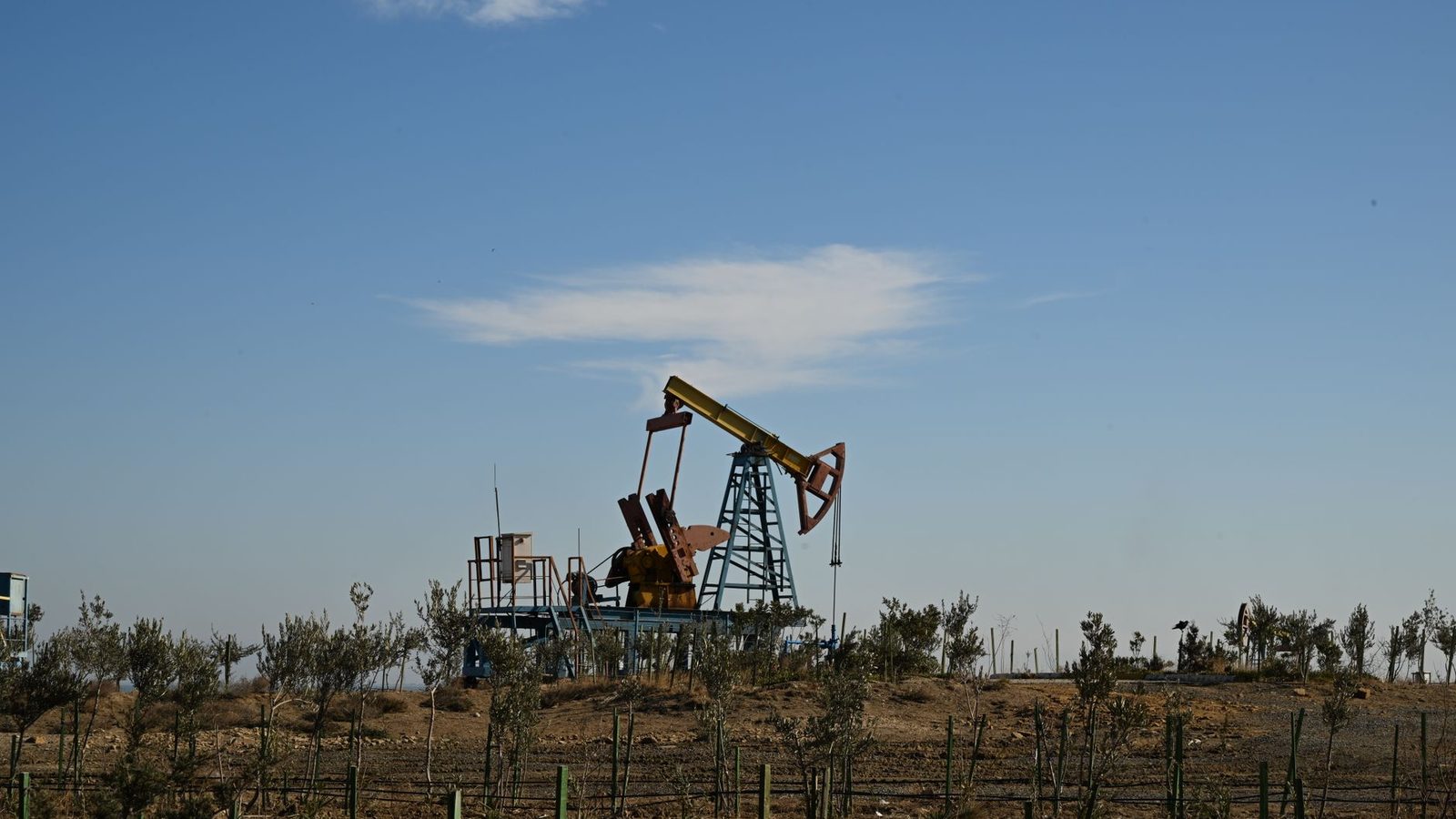
Venezuela's National Assembly approved an arrangement handing Washington effective control of a fifth of the country's oil reserves. Under the deal, Venezuelan interim authorities granted North American Blue Energy Partners, a company owned by businessman Alejandro Betancourt, 100 year concessions covering 17 oil fields holding roughly 65 billion barrels of proven reserves, while the US government took majority ownership and governance rights in the venture. Days later, Chevron confirmed a separate agreement to invest more than 7 billion dollars over five years, aiming to more than double its Venezuelan output toward roughly 600,000 barrels a day, building on an April deal that lifted its stake in the Petroindependencia joint venture to 49 percent.
The headline framing was cheaper gas and a bigger American reserve base. That framing did not survive contact with the tape. The national average gasoline price moved to 4.12 dollars a gallon around the announcement, 93 cents above the year prior. If the deal were a genuine near term supply shock, the pump would already be telling you.
The mechanism nobody is pricing correctly
Here is how this actually transmits. Reserve additions only matter to a market when they are extractable, financeable, and legally clean. This one is none of those things yet. Venezuela's oil infrastructure has spent two decades in decline under sanctions and underinvestment. Turning 65 billion barrels of paper reserves into flowing barrels takes years of capital and a functioning legal system, not a signed agreement and a National Assembly vote taken by show of hands, with opposition members saying they had not seen the terms.
That is the first mispricing. The second is structural, and it is the one executives are actually worried about. The US government is not just brokering access, it is taking an equity and governance position through the Pentagon in a foreign hydrocarbon venture, run in partnership with an operator who has faced money laundering investigations in Spain and Switzerland and been linked to a corruption scheme at PDVSA. An unnamed US official called him a proven operator while conceding the obvious: geopolitics means dealing with imperfect figures. Markets are treating that as color. It is not color. It is counterparty risk sitting inside a sovereign balance sheet.
The second-order effect
When a government becomes an equity holder in a resource venture, the venture's fate becomes entangled with the government's foreign policy incentives, not just with commodity economics. A future administration, a future Venezuelan government, or a court ruling on whether interim authorities had standing to grant a century of concession rights, any one of those can unwind the structure. That is not a tail risk analysts model into an oil price curve. It is a policy risk that sits in credit and legal exposure, invisible to a strip of futures prices.
Notice what the rest of the industry is telling you by staying out. Despite years of pressure to re-enter Venezuela following the removal of the former president, there is no evidence any other major producer has committed capital. Chevron is doubling down on a position it never left. Everyone else is reading the same title risk and declining to underwrite it. That divergence is the real signal, far more informative than the reserve number in the press release.
The honest counter-case deserves real weight. If the interim government consolidates, if the concession structure survives legal challenge, and if capital and technical expertise flow in at scale, Venezuela's decline could genuinely reverse over a multi-year horizon, and a meaningful new barrel count enters the global supply picture. That is a legitimate outcome. It is also a multi-year bet on political durability in a country that has had exactly the opposite for a generation, dressed up as an energy supply announcement with an immediate price tag attached to it.
In a market-neutral book at Zentra Asset Management, this is not a directional oil call. It is a single-name political risk trade wearing an energy sector costume, and the two should never be priced the same way.
What I am watching next is not the reserve figure. It is whether any second major producer commits real capital in the next two quarters, and whether Venezuela's National Assembly or courts revisit the legality of a century-long grant made by an acting president. Ask yourself which of those two events the oil futures curve is actually reflecting right now. My answer is neither.
Common questions
What is the Trump administration's Venezuela oil deal?
Venezuelan interim authorities granted North American Blue Energy Partners, a company owned by businessman Alejandro Betancourt, 100-year concessions covering 17 oil fields holding roughly 65 billion barrels of proven reserves, while the US government secured majority ownership and governance rights in the resulting venture. Venezuela's National Assembly approved the arrangement, though some opposition lawmakers said they had not seen its full terms.
Is Chevron part of the Pentagon-linked Venezuela venture?
No. Chevron negotiated a separate agreement, expanding its existing joint ventures with Venezuela's state oil company PDVSA. Chevron said it will invest more than 7 billion dollars over five years to more than double production toward roughly 600,000 barrels a day, building on an April deal that raised its stake in the Petroindependencia joint venture to 49 percent.
Will the Venezuela oil deal lower US gasoline prices?
Not in the near term. Analysts have questioned that outcome given the years and billions of dollars needed to rebuild Venezuela's degraded oil infrastructure, and the national average gasoline price actually rose to 4.12 dollars a gallon around the time the deal was announced, up 93 cents from a year earlier.
Why are other major oil companies staying out of Venezuela?
Despite years of pressure from the Trump administration to re-enter following the removal of former president Nicolas Maduro, there is no public evidence that any other major oil producer besides Chevron has committed new investment, reflecting continued uncertainty over legal title, sanctions history and the political durability of Venezuela's current authorities.
Who is Alejandro Betancourt and why does his role matter?
Betancourt owns North American Blue Energy Partners, the company granted the 100-year Venezuelan concessions, and is already the second largest operator in the country behind Chevron. He has faced money laundering investigations in Spain and Switzerland and has been linked to a corruption scheme at PDVSA, though he has not been charged.
Research that reaches you before the narrative does
One note each week connecting a global event to positioning in US markets. No paywall.
Subscribe free