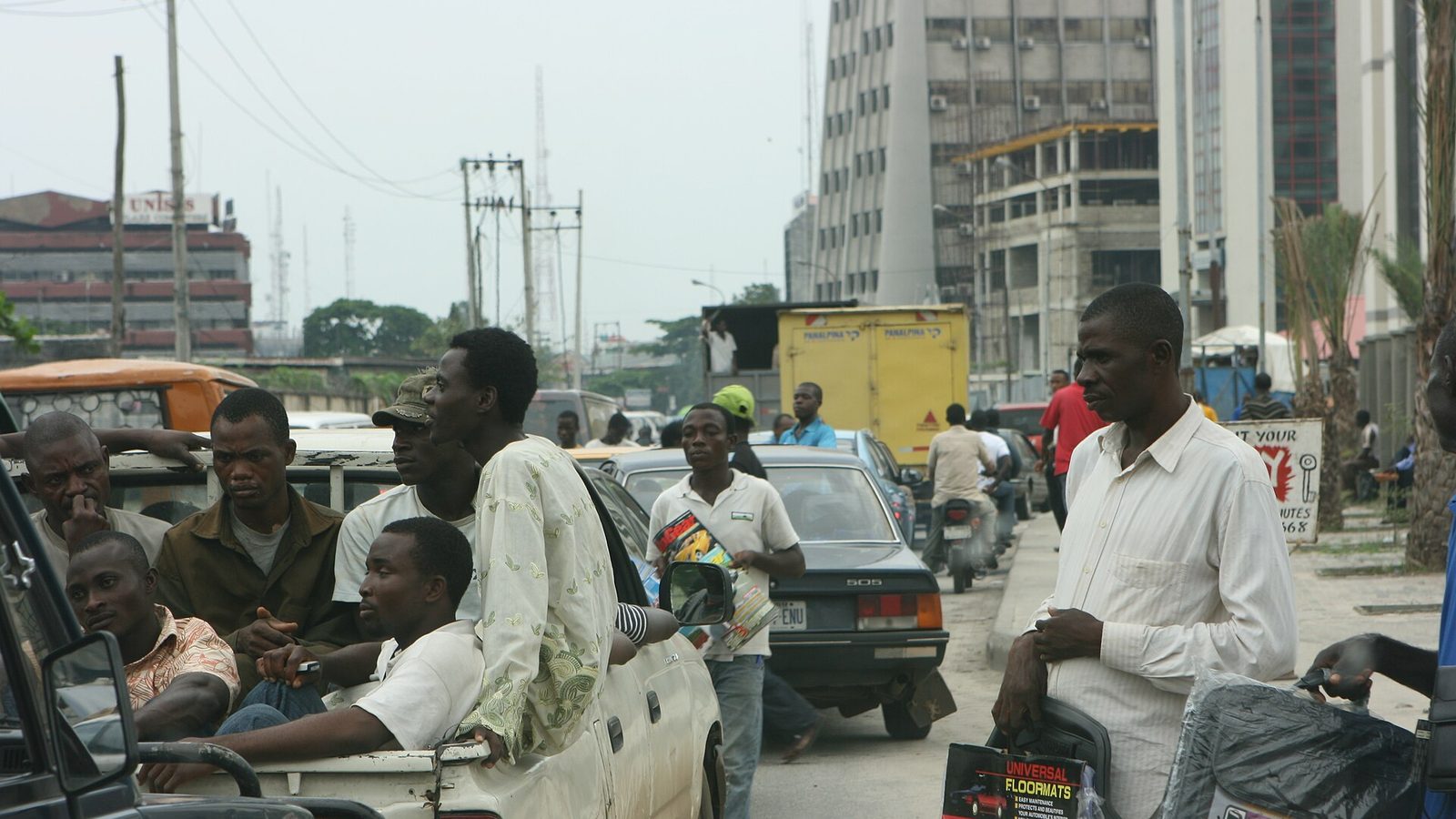
The story is not that Uber left Nigeria. The story is that a regulator is now asking what it costs to leave.
Nigeria's Federal Competition and Consumer Protection Commission has opened an inquiry into Uber's abrupt exit from the country, and the market is reading this as a footnote to a corporate retreat. It is not a footnote. It is the first real test of whether frontier markets can attach an exit cost to multinational platforms, and that changes the calculus for every foreign operator still on the ground.
What actually happened
Uber wound down operations in both Nigeria and Uganda effective September 2, 2026, ending twelve years of presence in Nigeria that began in Lagos in 2014. The shutdown came without warning to drivers or riders. FCCPC Chief Executive Officer Tunji Bello disclosed the development in a text message, with officials looking into the manner of the exit, particularly in respect of unfulfilled services to customers. Uber itself gave no detailed public reason, framing the decision as the outcome of a broader review of its global business.
The explanations circulating are the usual ones for frontier markets: high fuel and vehicle maintenance costs, inflation, currency instability, aggressive price competition, regulatory uncertainty and pressure from drivers over earnings. Analysts specifically flag that persistent depreciation of the naira drastically compressed profitability for international operators repatriating earnings in dollars. That is the consensus read. It is also incomplete, because the currency was not actually working against Uber when it left.
The mechanism the consensus is missing
The naira has strengthened over the past year and appears on course to finish the year with its best performance in some time. Some companies operating through that same volatility, notably MTN Nigeria and Jumia, have found ways to sit on the right side of it. So the pure currency-collapse story does not hold up to the timing. What actually forced the decision was almost certainly a cumulative structural mismatch: riders who cannot absorb higher fares, drivers who cannot absorb lower take-home pay, and a commission model that cannot reconcile the two at Nigerian price levels. The naira was the accelerant, not the cause.
None of that, on its own, moves a market. Nigeria and Uganda are immaterial to Uber Technologies' global bookings. This will not show up in a quarter. The transmission channel that matters runs through the regulatory precedent, not through Uber's income statement.
The second-order effect nobody is pricing
Every multinational with a wind-down option in a frontier market has, until now, priced that option as close to free. Leave when the unit economics stop working, absorb the reputational noise, move capital elsewhere. The FCCPC probe is the first serious attempt to attach a real cost to that option: unresolved driver balances, stranded rider credits, and now formal regulatory scrutiny of the exit conduct itself, not just the entry conduct.
If that inquiry produces a settlement, a fine, or even just a public finding of fault, it becomes a template. Every fintech, delivery, and ride-hailing platform still operating across African markets now has to underwrite a wind-down cost that did not exist as a line item before this week. That is a discount rate change on optionality, and discount rate changes on optionality are exactly the kind of thing that gets ignored until a second company tries to leave and discovers the exit is no longer free.
The honest counter-case
This could easily amount to nothing. The FCCPC has consumer protection authority, not the power to compel a foreign company to remain in a market or to unwind a decision already executed. A settlement over unpaid driver balances is a cost of doing business, not a structural repricing event. And the naira's recent strength is real evidence that Nigeria's macro backdrop is improving, which cuts against any narrative that this is a warning sign for frontier market exposure broadly. Companies with local hedging discipline and lower fixed-cost structures than a global ride-hailing platform may simply be better built for this environment, not lucky.
I am Komey Tetteh, and the way I would actually look at this inside a market-neutral book at Zentra Asset Management is not through Uber's share price at all. It is through the relative positioning of consumer platforms with genuine Nigeria and wider African exposure against those without it, treating the regulatory outcome as a slow-moving catalyst rather than a headline event.
What I am watching next is whether the FCCPC inquiry produces an actual enforcement outcome, or quietly closes. If it produces one, ask yourself which other platform operating in a market it can leave cheaply has just found out it cannot.
Common questions
Why is Nigeria investigating Uber's exit?
Nigeria's Federal Competition and Consumer Protection Commission (FCCPC) is examining whether Uber left drivers and riders with unresolved financial obligations when it shut down operations on September 2, 2026, without prior notice. FCCPC Chief Executive Officer Tunji Bello confirmed the regulator is looking into the manner of the exit, specifically unfulfilled services to customers, rather than the decision to leave itself.
Why did Uber leave Nigeria and Uganda?
Uber did not disclose a detailed reason, describing the move as the result of a broader review of its global business. Analysts point to a combination of naira depreciation compressing dollar-denominated returns, high fuel and vehicle maintenance costs, recurring driver disputes over commissions, and intensifying competition from rivals like Bolt and InDrive.
Does Uber's Nigeria exit affect Uber's stock?
Nigeria and Uganda represent a small fraction of Uber Technologies' global gross bookings, so a direct earnings impact on the parent company is unlikely to be material. The more relevant transmission is through frontier market risk premiums applied to other consumer platforms with real exposure to Nigeria, not through Uber's own share price.
Is the Nigerian naira getting weaker or stronger right now?
The naira has actually strengthened over the past year and was on track for one of its better years in recent memory at the time Uber announced its exit. This timing is notable because it undercuts the simple narrative that currency collapse alone forced the decision.
What happens to Uber drivers and riders in Nigeria now?
Reports indicate drivers and riders were left with outstanding balances and credits when the app stopped functioning, with no advance warning from the company. The FCCPC investigation is specifically focused on resolving these unfulfilled obligations.
Research that reaches you before the narrative does
One note each week connecting a global event to positioning in US markets. No paywall.
Subscribe free