The market is treating a one-line statement about corporate autonomy as a footnote. It is closer to a stress test result for the entire architecture of state-linked capital in Asia, and almost nobody is reading it that way.
Air India has reportedly been seeking fresh financial support from its shareholders.
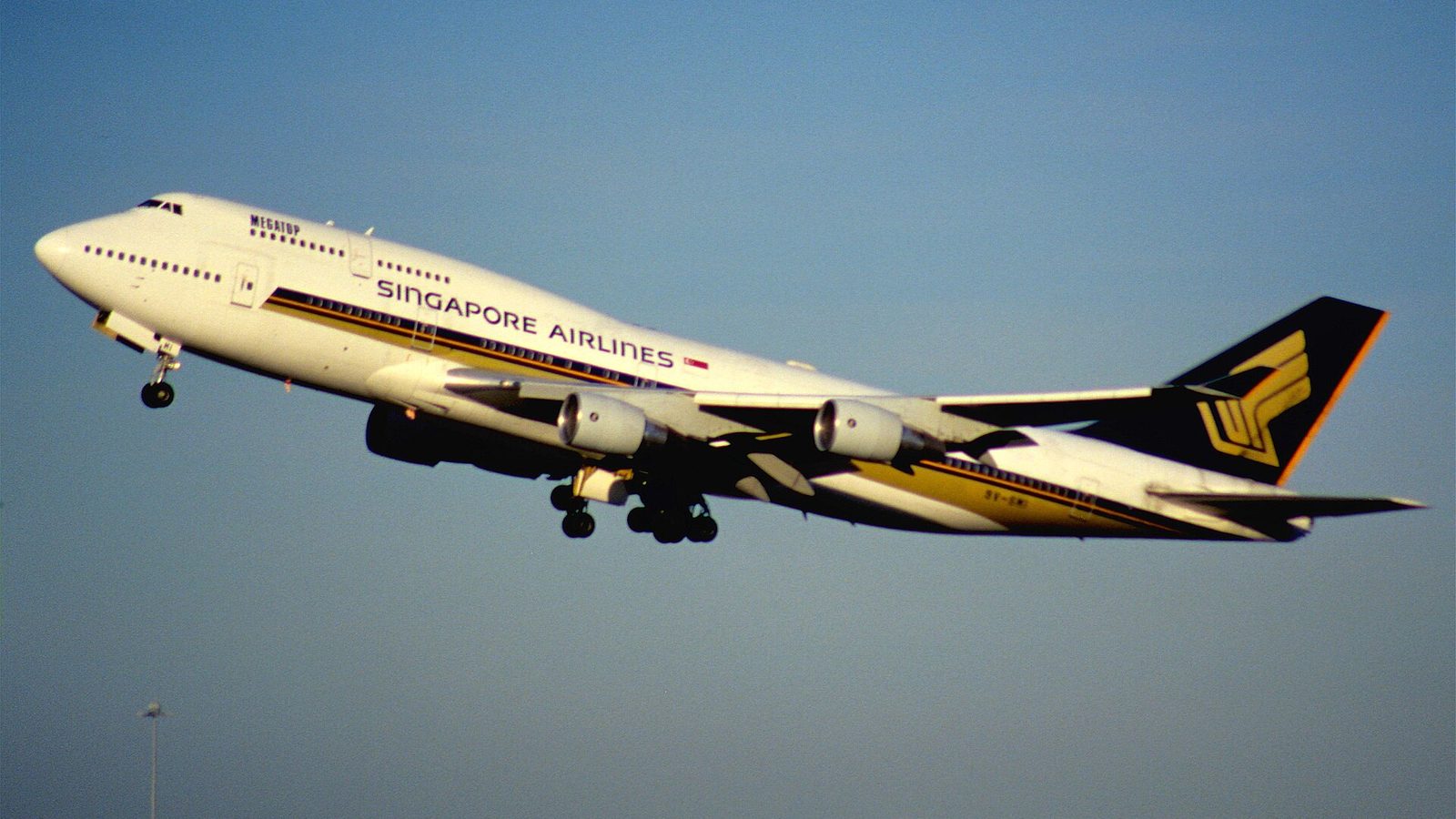
Here is what actually happened. The Singapore government said it will not interfere in any decision that Singapore Airlines Ltd. makes in Air India Ltd., which is said to be seeking financial aid from its shareholders. Singapore Air has the responsibility to assess its investments in Air India in relation to the resources it has for the long-term growth and profitability of the company, Senior Minister K Shanmugam told reporters. The reported number behind this is not small. Tata Sons and Singapore Air are poised to provide Air India with 100 billion rupees, roughly $1.1 billion, structured around performance targets, released in stages, and apportioned by their shareholdings. The contribution would be proportionate to ownership levels with Tata Sons holding 74.9 per cent of Air India and Singapore Airlines owning the remaining stake.
Shanmugam did not stop at neutrality. He said once governments or politicians start directing individual investment decisions, commercial discipline will be compromised, and decisions will become politicized, shaped by political considerations rather than commercial judgment, with Singaporeans ultimately bearing the cost. That is a governance philosophy stated out loud, on the record, in response to a single airline's cash call. Read it as a philosophy, not a press release.
The mechanism nobody is pricing correctly
Everyone is treating this as a story about one airline's balance sheet. It is actually a story about the credibility of an entire capital structure. Temasek Holdings, the majority owner of Singapore Air, does not account to the government for its individual investments or the investment decisions of its portfolio companies, and Temasek and its subsidiaries decide how to invest across a wide portfolio with investments of varied risks and varied time horizons, while Temasek is accountable to the government for its overall portfolio and its overall long-term performance.
This is the actual transmission channel. State-linked capital across Singapore, and across every sovereign wealth structure modeled on it, trades at a cost of capital that assumes arm's length discipline. If that assumption ever cracked, if a government were seen directing a single portfolio company's cash decision for political reasons, the repricing would not stay contained to one airline. It would move through every bond and every equity stake connected to that sovereign vehicle, because the market would have to start pricing political interference risk into an entire capital pool rather than a single balance sheet. Shanmugam's statement is not defending Singapore Airlines. It is defending the credibility discount that the whole Temasek complex trades on.
The second-order effect almost nobody is discussing
The real signal is not the non-interference line. It is what the staged, milestone-linked structure of the reported funding says about how state-linked capital now behaves toward underperforming joint ventures generally. Temasek, speaking last month, said it maintains a long-term perspective and backs Singapore Air's business strategy on India. Long-term perspective paired with performance-gated tranches is not patience. It is conditional patience, and conditional patience is a completely different risk instrument than unconditional support. Every foreign minority partner sitting inside an Indian conglomerate-controlled venture, and every investor pricing a state-linked entity's exposure to a distressed affiliate, now has a template. Capital calls get met, but only against milestones, and the sovereign parent stays publicly silent on the mechanics. That is the actual export here: a governance model for how patient capital disciplines a turnaround without ever looking like it is bailing one out.
The honest counter-case
This reading assumes the arm's length principle holds under pressure. It might not. If Air India's integration continues to underperform and Singapore Airlines keeps writing checks that never convert into a credible path to profitability, the market will eventually stop believing the non-interference framing and start pricing an implicit, open-ended support obligation instead. That is a real risk, and it would flip the thesis. A sovereign that never says no is not disciplined. It is simply deferring the discount.
Here is what I am watching next, running this through the market-neutral lens we use at Zentra Asset Management. Not the headline about political interference. The actual milestone structure of the next tranche, and whether it gets disbursed on schedule or delayed. Delays are the tell. Everyone is watching a government's words. The information is in the airline's cash flow.
Where else in your portfolio are you pricing a sovereign guarantee that was never actually written down anywhere? I'm Komey Tetteh, and that question is worth sitting with longer than this headline deserves.
Common questions
Why did the Singapore government comment on Air India funding?
Air India has reportedly been seeking fresh financial support from its shareholders, Tata Sons and Singapore Airlines. Because Singapore Airlines is majority owned through Temasek Holdings, a Singapore state investment vehicle, reporters asked whether the government would direct Singapore Airlines' decision. Senior Minister K Shanmugam said the government would not intervene, calling non-interference in individual investment decisions a longstanding principle.
How much money is Air India asking its shareholders for?
Air India has reportedly been seeking around 100 billion rupees, roughly $1.1 billion, in financial support from Tata Sons and Singapore Airlines. Reports indicate the funding would be structured around performance milestones, released in stages, and split proportionate to each shareholder's ownership, with Tata Sons holding 74.9 percent of Air India and Singapore Airlines holding the remaining stake.
Does Temasek control what Singapore Airlines does with its Air India stake?
Temasek Holdings is the majority owner of Singapore Airlines but has stated it does not direct the investment decisions of its individual portfolio companies. Temasek has said it is accountable to the Singapore government for its overall portfolio performance over the long term, not for single decisions made by companies it holds stakes in.
What is Temasek's relationship with Air India as an investment?
Temasek has said it takes a long-term view and supports Singapore Airlines' strategy in India, without committing to specific funding actions. The actual capital decision on any Air India aid sits with Singapore Airlines' management and board, not with Temasek or the Singapore government directly.
Is this news a signal that Singapore Airlines stock or Air India is a good investment?
No. This commentary explains the governance and market mechanism behind the funding request and the government's statement. It is not investment advice, and no view on price direction for any listed security is expressed or implied.
Research that reaches you before the narrative does
One note each week connecting a global event to positioning in US markets. No paywall.
Subscribe free