
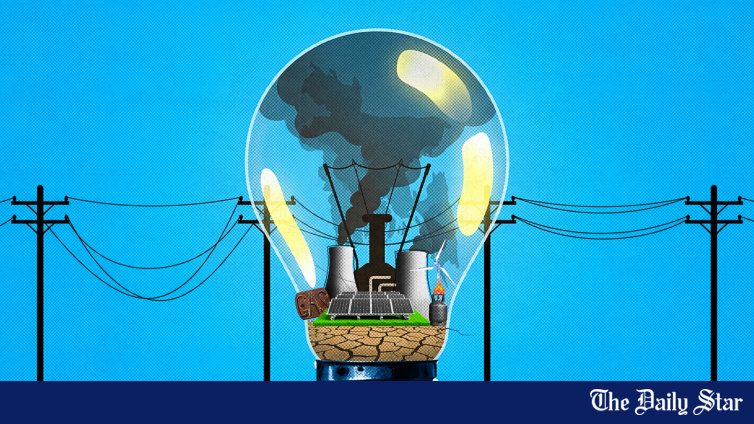
Every energy crisis eventually ends. Governments patch the immediate wound, prices normalize, and the urgency dissolves. But the nations that treat each crisis as a one-time event rather than a structural warning are building the conditions for the next, larger shock. The conversation around energy security has finally broken through into mainstream policy debate, yet financial markets are still pricing sovereign and corporate credit as though the transition from crisis management to long-term energy independence is a minor line item. It is not. The capital required, the geopolitical realignments being accelerated, and the second-order effects running through supply chains, inflation regimes, and currency dynamics represent one of the most consequential macro repricing events of the decade. Most portfolio managers are looking at the wrong variables entirely.
Why Crisis Fixes Are Not Energy Security and Why Markets Confuse the Two
Governments facing an energy shock typically respond with three tools: emergency storage releases, price caps, and short-term supply contracts with alternative exporters. Each of these tools buys time without building resilience. True energy security requires decades of infrastructure investment, diversified supply chains, domestic generation capacity, and grid modernization at a scale that dwarfs anything a crisis response budget accommodates. The International Energy Agency estimates that reaching net-zero by 2050 requires annual clean energy investment to reach $4 trillion by 2030, up from roughly $1.8 trillion today. That gap is not a policy aspiration; it is a sovereign balance sheet event waiting to happen.
Markets persistently misprice the difference because analysts model energy policy as a regulatory overlay on existing commodity dynamics rather than as a structural shift in capital allocation. When a government announces an LNG import terminal or a strategic reserve build, bond desks adjust near-term supply assumptions. What they rarely model is the 15 to 25 year debt servicing burden that comes with financing 400 to 600 gigawatts of new domestic generation capacity, or the currency pressure that builds when import dependency persists and commodity prices spike in dollar terms. Emerging market sovereigns in South and Southeast Asia are particularly exposed to this gap, with energy import bills consuming between 8 and 14 percent of GDP in some cases.
Energy security is not a policy goal you achieve. It is a balance sheet commitment you make for 30 years, and most governments are still treating it like a quarterly target.
The Commodity and Currency Channels Nobody Is Talking About
Energy security as a national policy agenda accelerates two parallel commodity supercycles simultaneously: the fossil fuel cycle, driven by states desperate to lock in supply now, and the critical minerals cycle, driven by states trying to build out renewable capacity for the future. Lithium, cobalt, copper, and rare earth elements are all seeing sovereign buying that goes beyond commercial logic. Chile, the Democratic Republic of Congo, and Indonesia have all moved to assert greater state control over extraction and export of these materials in the past 18 months. This is resource nationalism with a strategic energy security rationale, and it permanently changes the risk premium that mining equities and the companies that depend on them need to carry.
The currency dimension is equally underappreciated. Nations running chronic energy trade deficits face persistent current account pressure that weakens their currencies against the dollar, which then makes their energy imports more expensive, which widens the deficit further. This feedback loop is already visible in Pakistani rupee and Sri Lankan rupee dynamics over the past three years, and it is beginning to show up in some frontier African economies. For global macro traders, this creates asymmetric positioning opportunities in EM FX, but it also creates contagion risk if multiple mid-sized economies hit currency crises simultaneously, triggering dollar liquidity demand that tightens financial conditions globally, irrespective of what the Federal Reserve is doing.
Infrastructure Capex as the Inflation Wild Card
The single most underappreciated macro consequence of a genuine energy security build-out is its effect on inflation persistence. When multiple large economies simultaneously try to onshore energy generation, build out transmission grids, and retrofit industrial processes, they compete for the same pool of engineers, turbines, transformers, steel, and copper. The transformer shortage already visible across Europe and North America, where lead times for large grid transformers have extended to three and four years, is an early signal of what broad energy infrastructure competition looks like at the supply chain level.
This matters profoundly for central bank policy paths. If energy security investment sustains elevated capital goods demand and commodity input prices through the late 2020s, the disinflationary impulse that central banks are counting on to normalize policy rates will be structurally weaker than models predict. That is not a transient effect that gets averaged away; it reprices the entire term structure of interest rates, with meaningful consequences for duration positioning in bond portfolios and for the equity risk premium applied to long-duration growth assets. The sectors that benefit from this dynamic, heavy industrial manufacturers, grid infrastructure specialists, and engineering procurement and construction firms, are still trading at valuations that do not reflect a decade of guaranteed order books.
Sector and Asset Class Implications: Where the Repricing Happens
The investment opportunity set created by a structural energy security build-out is wider than most sector rotations allow for. At the direct layer, utilities with regulated grid infrastructure exposure, integrated energy companies pivoting capital toward LNG and midstream assets, and critical minerals producers with politically stable jurisdictions all screen as beneficiaries. The Invesco DB Energy Fund and broader commodity index rebalancing flows will reflect this over a multi-year horizon, but single-name equity selection within the energy infrastructure and industrial gases spaces offers sharper risk-adjusted access.
At the indirect layer, the implications reach into insurance and reinsurance, where underwriting models for energy infrastructure built in the 1990s dramatically underprice climate-linked disruption risk on assets now expected to operate for another 30 years. They reach into project finance banking, where the pipeline of sovereign-backed energy infrastructure deals is creating fee pools and credit risk concentrations that have not yet shown up in bank loan book disclosures. And they reach into sovereign CDS markets, where the cost of protection on energy-import-dependent EM sovereigns is still not reflecting the structural current account pressures being locked in by continued fossil fuel dependency in the absence of domestic generation investment.
How Zentra Thinks About Delta-Neutral Positioning in an Energy Security World
At Zentra Asset Management, the energy security macro theme does not translate into a simple directional bet on oil prices or clean energy equities. The realized volatility environment in energy markets has been elevated and structurally unstable since 2021, which means owning outright exposure to energy commodities or single-name equities in this space carries tail risk that is difficult to size responsibly. Instead, the framework is to use SPX options structures that isolate the inflation persistence narrative. If energy security capex sustains inflationary pressure and forces the Fed to hold rates higher for longer than the forward curve implies, the equity risk premium expands and rate-sensitive sectors of the S&P 500 reprice sharply.
A delta-neutral straddle or strangle structure positioned around major CPI or Fed meeting dates captures this uncertainty without requiring a directional call on whether energy prices themselves rise or fall. The key insight is that energy security investment creates macro volatility regardless of the direction of commodity prices, because the capex cycle itself pressures rates, the currency channels pressure EM growth, and the supply chain competition pressures industrial input costs. Volatility is the asset here, and the energy security policy agenda is a multi-year supplier of it.
This is how we position at Zentra Asset Management
Delta-neutral strategies that profit from volatility, not direction. See our full track record and research library.
Access Zentra Asset Management →The energy security debate is maturing from a crisis-response conversation into a structural capital allocation question, and the financial system is lagging badly in reflecting that shift. Over the next 24 to 36 months, expect sovereign credit spreads for energy-import-dependent emerging markets to widen as the scale of financing required becomes undeniable. Expect inflation to prove stickier than consensus models across G10 economies where infrastructure build-out competes for labor and materials simultaneously. Expect volatility regimes in energy-adjacent equity sectors to remain elevated as policy uncertainty, resource nationalism, and supply chain constraints interact in unpredictable sequences. The investors who position now for a world where energy security is a permanent sovereign balance sheet priority rather than a temporary policy response will find that markets have left significant mispricing on the table. The time to size that exposure, carefully, with defined risk, is before the bond market finishes working out what it already suspects.